14 May 7 ways to make online marketing work for your business
The Internet has changed the way we share information and in turn this changed the way we learn about products and services and, how we eventually decide to purchase them.
What happened is that over the years, marketers stopped pushing information in the form of advertising and instead started publishing good informative content that automatically attracts their customers towards their business.
In the marketing world, this is known as a shift from inbound techniques to outbound tactics.
Here are 7 ways in which successful businesses make inbound marketing work for them:
- Content is King
By creating valuable and useful content and offering it for free to their audience, businesses build trust, and establish themselves as an authority in the field.
Information can be issued in a number of ways – from blogs on the company website, to status updates on social media, to articles on other websites, eNewsletters, and video blogs.
- Successful Social Media Marketing
It’s not too long ago that businesses could still thrive without using any social media platform. But things have changed since then and now it seems like we can’t make it big without the likes of Facebook, LinkedIn and Twitter. Till now some businesses can make do without the smaller platforms such as Pinterest, Google+, Tumblr and Instagram but being present on at least two platforms has become a necessity for most businesses.
- A picture is worth a thousand words
Consumers are constantly bombarded with advertising, and if you want to stand the slightest chance of getting their attention, you better find something to grab their attention within the first fraction of a second. This is a big part of the success of all social media platforms – they are all picture-centric. Facebook takes this so seriously that it does not allow advertisers to boost pictures with more than 20% text in them.
- Being Frugal
People are busy, life is complicated, so whenever an audience is presented with simplicity, they love it and gobble it up. Anything clean, with less clutter and more white space (eg. Apple, Google, Pinterest) relieves consumers from the constant bombardment of advertising. So tone it down and don’t over do it.
- If it’s not mobile-friendly, it’s not friendly
There’s hardly a consumer out there who doesn’t own a smartphone or a tablet. This means that whatever you create for online consumption needs to be mobile-friendly too. For starters, your website needs to be responsive, which means that it recognises the device it’s being viewed on and adapts its view accordingly.
- Knocking more than once
In the marketing world this is referred to as re-marketing. In simple terms, website use what we call browser cookies to track the moves of its users. Once a user leaves a certain web page, services and products related to that webpage are shown to them again and again whilst they’re browsing other websites.
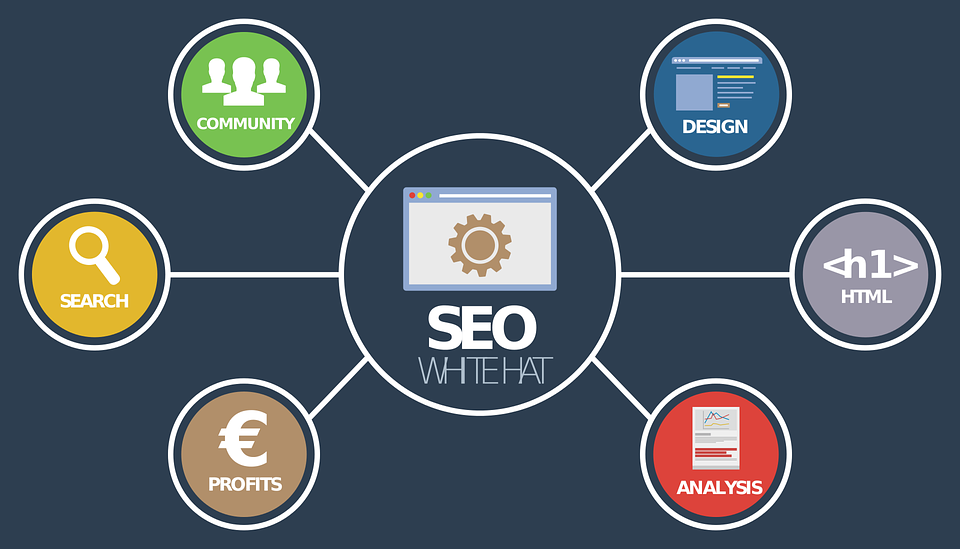
- The battle of SEO vs social platforms
Currently social signals (links to your website from a social platform like Facebook) do not carry as much weight as other links on other websites, but this is changing fast. Over the years Google has been giving social signals more and more importance and today, there’s no doubt that the more people share a piece of content on social media, the more likely it is that it will rank better in Google searches.
If you’re completely new to Facebook or would like a tutorial on how to use it better, whether for personal or business purposes, you can contact us for a one to one tutorial or a group training session.